How to Find a Reliable Plasterer When You Have No Idea Where to Start
, by Orla Keane, Finding a Tradesperson
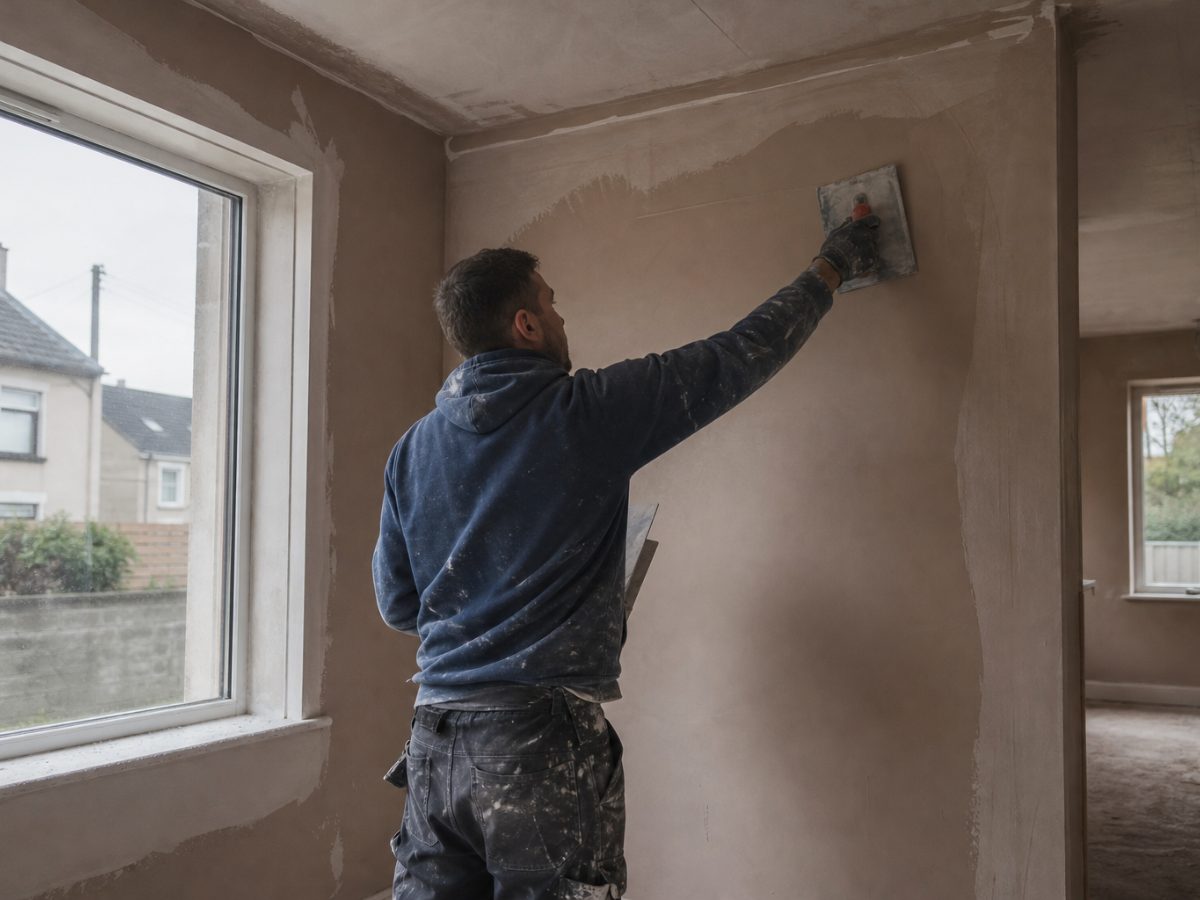
Finding a reliable plasterer when you have no building contacts and no idea what you're looking for is one of those jobs that feels harder than it should be. Plastering looks straightforward until it goes wrong, and bad plastering is remarkably easy to hide behind a coat of paint. By the time you see the cracks or the damp patches, your man is long gone. So here is a practical way to go about it, from the very beginning.
Start with word of mouth, not the internet
Before you open Google, ask around. Neighbours who recently had work done, family members, anyone in a local Facebook group for your area. A recommendation from someone who can show you the actual walls in their house is worth ten five-star reviews from strangers. People are usually happy to tell you who they used and whether they would use them again. If a name comes up more than once in your area, that is worth paying attention to.
If you genuinely have no contacts to draw from, online directories are a starting point, not a final answer. Use them to build a list of names and then treat each one as someone you still need to verify yourself.
Check whether they are registered and insured
In Ireland, plasterers do not have a single compulsory licensing body the way some other trades do, so you cannot rely on a register to do the vetting for you. What you can and should ask is whether they carry public liability insurance. Any tradesperson working in your home should have this. Ask them to confirm it, and if they hesitate or give you a vague answer, move on.
Tax compliance matters too. Ask if they are registered for VAT if the job is sizeable, and make sure any quote you get is in writing on something with a business name or contact details on it. A quote scribbled on the back of a page is not something you can rely on later.
Get three quotes and understand what they include
Three quotes is the minimum for any job of substance. Do not go with the first person who shows up, no matter how well they come across. Plastering costs vary depending on the type of finish you need, the condition of the existing walls, and whether any preparation work is required. A quote that seems cheap might exclude the bonding coat, the skimming, or the making good of existing defects. Ask each person to spell out exactly what is included.
Ask about materials too. A good plasterer will specify the products they are using. Anyone who is vague about this or says "whatever I have in the van" is someone to be cautious about.
Ask to see previous work
A plasterer who cannot point you toward a previous job you can go and look at is not someone you should be handing money to. Even a phone showing photographs is better than nothing, but if they can give you the number of a previous customer who is happy to speak to you, that is the gold standard. Most decent tradespeople will have a few names they can call on for this.
The same principle applies across trades. The questions worth asking before any significant work are not much different whether you are hiring a plasterer or a roofer, and the seven questions you should ask a tradesperson before they start work covers this in a way that is easy to adapt.
Red flags specific to plastering jobs
- They want a large cash deposit upfront, more than roughly a third of the total.
- They cannot give you a clear timeline and keep shifting the start date without explanation.
- They pressure you to decide quickly or say they have another job lined up if you do not commit today.
- They suggest skipping the bonding coat to save time or money. This is a shortcut that leads to adhesion failure.
- The quote has no breakdown, just a single number.
- They are not willing to let you speak to a previous customer.
Put something in writing before they start
You do not need a solicitor involved, but you do need a written agreement. At minimum this should cover the scope of work, the agreed price, the payment schedule, and what happens if additional problems are found once they open up a wall. A tradesperson who refuses to put anything in writing is telling you something important about how disputes will go later.
Pay in stages tied to completed work, not in advance. Keep the final payment until you have walked the job with them and you are satisfied. That final payment is your only real leverage once someone is off your property.