What Grants Are Actually Available for Roof Insulation in Ireland Right Now
, by Orla Keane, Roofing Advice
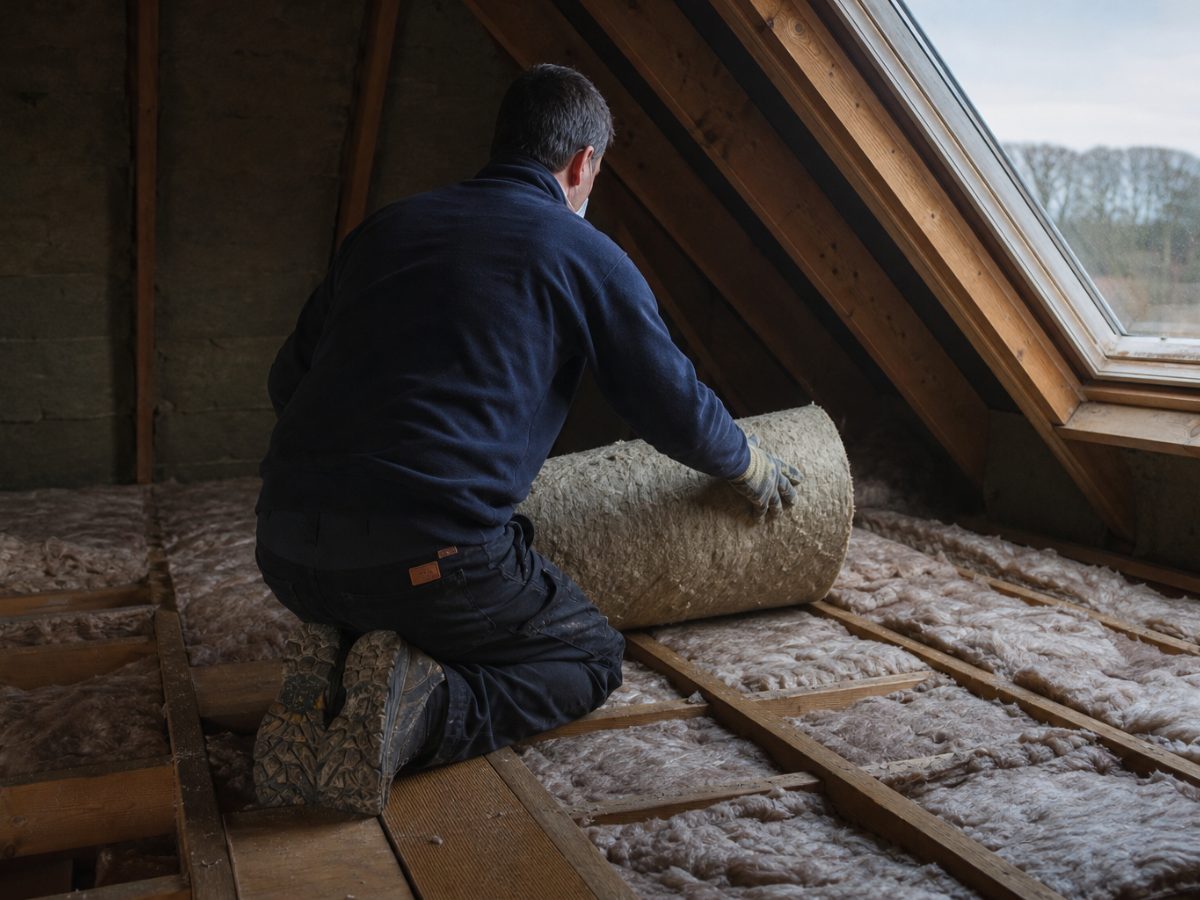
Roof insulation grants in Ireland are one of those things where the money is genuinely there, but people either don't know about it or assume the paperwork will be a nightmare. It doesn't have to be. Here's a plain-English breakdown of what's available right now, who can get it, and how the process actually works.
The Main Scheme: SEAI Better Energy Homes
The Sustainable Energy Authority of Ireland runs the Better Energy Homes scheme, which is the one most homeowners will use. It covers attic insulation and rafter insulation, among other upgrades. You apply directly, pick from a list of registered contractors, get the work done, and then claim the grant back. The grant doesn't cover everything, but it takes a solid chunk off the bill.
For attic insulation, the grant is currently around 1,500 euro. Rafter insulation, which is a different approach used when you have a converted attic or a room in the roof, comes in at a higher rate, somewhere in the region of 3,000 euro. These figures are worth double-checking on the SEAI grants portal before you plan a budget, because rates do get reviewed and the figures can shift.
The scheme applies to homeowners in owner-occupied properties built and occupied before 2011. You can't claim it on a new build, and there are rules around not having claimed certain grants on the same property before, so it's worth reading the eligibility section carefully if your house has had upgrades done in the past.
What About Rental Properties?
Landlords aren't left out entirely, but they sit under a slightly different scheme called Better Energy Finance, and the terms aren't as generous. If you're a landlord hoping to improve a rented property, you'll want to check the SEAI website for what's currently on offer for that category separately. The main Better Energy Homes grant is aimed at owner-occupiers.
The Warmer Homes Scheme: If Your Circumstances Qualify
There's a second route that's worth knowing about, and it's considerably more generous. The Warmer Homes Scheme offers free energy upgrades, including insulation, to homeowners who are on certain social protection payments. We're talking about things like Fuel Allowance, Job Seekers Allowance for over six months, One Parent Family Payment, and a handful of others.
If you qualify for Warmer Homes, the work is done at no cost to you at all. The catch is that waiting times have been long in recent years, sometimes running to a year or more depending on where you live. That's not a reason to avoid applying, but it's good to go in with realistic expectations. If you're eligible, get your application in sooner rather than later.
What the Grant Actually Covers
A lot of people assume the grant covers the full job. It doesn't. It's a contribution toward the cost, not a full payment. Attic insulation on a typical semi-detached house might cost somewhere between 400 and 1,200 euro depending on the size of the attic, the depth of insulation, and what's already there. In many cases, the grant covers most or all of that. Rafter insulation is more involved work and costs more, so the higher grant rate for that reflects the reality on the ground.
Whatever the job costs, you pay the contractor in full and then claim the grant back from SEAI after the work is complete and signed off. You don't get the money upfront. Keep that in mind for cash flow purposes.
The Steps, In Order
- Check that your property and situation meet the eligibility criteria on the SEAI website.
- Register on the SEAI online portal and submit your grant application before any work starts. This part matters. Work done before you apply won't qualify.
- Get quotes from SEAI-registered contractors. You have to use contractors who are on the SEAI list for the work to be grant-eligible. Don't just call whoever's nearest.
- Have the work carried out.
- Submit your claim with the required documentation, including the contractor invoice and a declaration that the work is complete.
- SEAI processes the payment, typically within a few weeks of a completed claim.
The registered contractor point is one people sometimes trip over. It's easy to get a quote from a good local insulation company only to find out they're not on the SEAI register. Ask before you agree to anything. Any decent installer working in this space will know straight away whether they're registered.
A Few Practical Notes Before You Start
If your roof has any existing issues, sort those out before you insulate. Putting insulation in over a leaky or poorly detailed roof just traps problems and makes them worse. It might feel like saving money to do insulation first, but it isn't. If you've had any concerns about your roof's condition, it's the kind of thing worth reading about before you commit to the upgrade.
Also worth knowing: you can combine the attic insulation grant with other grants in the Better Energy Homes scheme in the same application. If you're also thinking about a heat pump or solar panels, you can bundle those into one application rather than going back and forth multiple times.
The grant money is real and the process is manageable. The main thing is to apply before the work starts, not after.