Why My New Roof Started Leaking After Only Three Years
, by Orla Keane, Roofing Advice
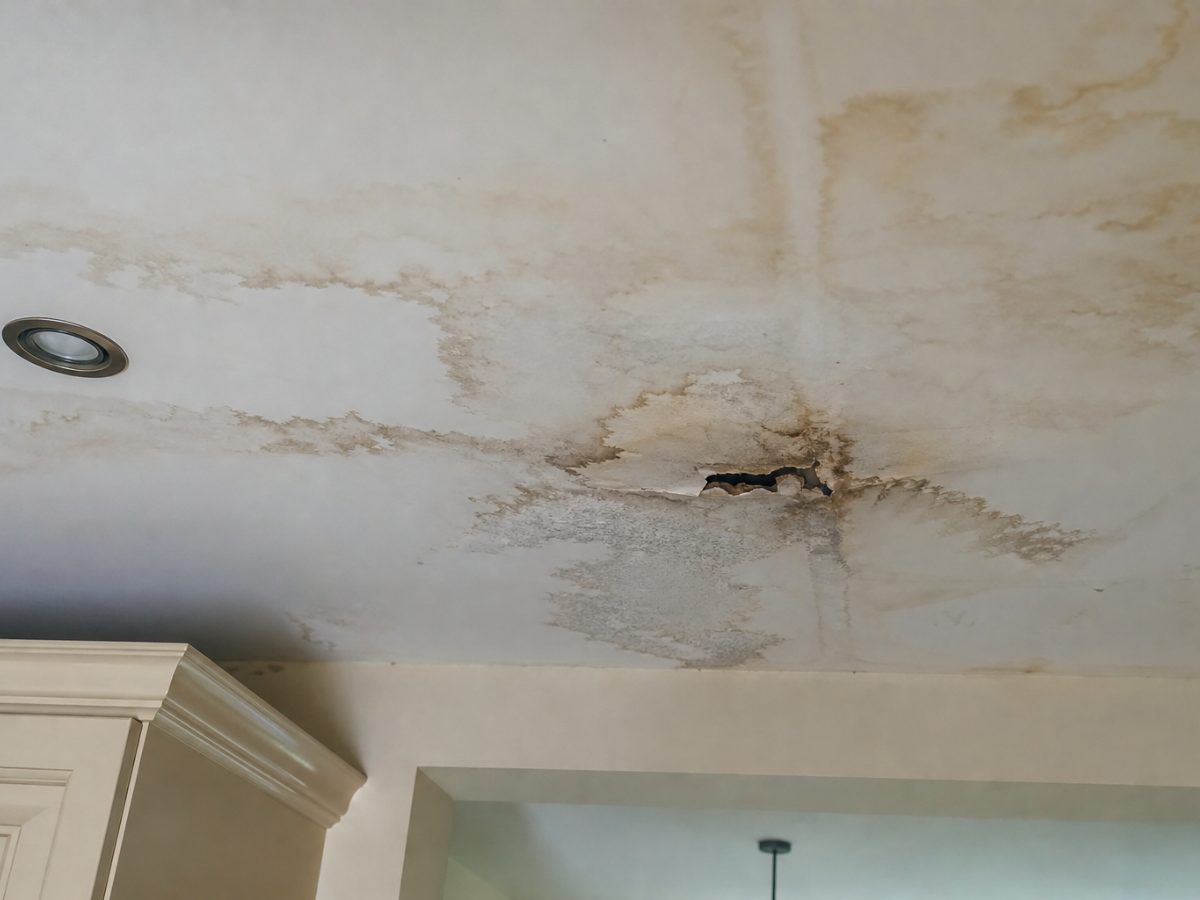
Three years. That's all I got out of a brand new roof before water started coming in around the chimney breast. I remember standing in the bedroom with a torch, watching a dark stain spread across the plasterboard, thinking I must have done something wrong. Picked the wrong contractor, agreed to cut corners somewhere. But when I eventually got a second roofer up to have a look, the tiles were absolutely fine. Not one of them cracked or slipped. The problem was something most homeowners never think to ask about: the flashing.
Flashing is the metal or lead work that seals the joins between your roof and anything that breaks through it. Chimneys, skylights, soil pipes, roof windows, the valleys where two roof slopes meet. Water will always find those joints first. If the flashing is done properly, it directs water away. If it's not, you get exactly what I got: a roof that looks perfect from the street and leaks like a sieve behind the scenes.
What went wrong in my case was the lead step flashing around the chimney stack. The previous roofer had tucked it into the mortar joints, which is the right idea, but he hadn't gone deep enough and hadn't pointed it properly. After two winters, the mortar around it cracked, the flashing lifted slightly, and that was that. A gap of a few millimetres. Enough.
What I wish I had checked before paying the final invoice
I'm not a roofer. I had no reason to think I needed to climb up there with a checklist once the job was done. But I've learned since that signing off on a roof without checking the flashing is like buying a car without looking under the bonnet. Here's what I'd do differently now.
Ask specifically about flashing before work starts. Get the contractor to walk you through where the lead or other flashing will be used, how it will be fixed, and how joints will be sealed. If they gloss over it or seem vague, push harder. A good roofer will have no bother explaining it.
Get up close during the job if you can. Not everyone has the head for heights or access to ladders, but if you can get up there while work is ongoing, look at how the step flashing is being set into the mortar. The lead should go in a good 25mm or more, and the pointing needs to be done neatly and fully. If it looks rushed, say something before they're finished.
Ask for photos of the flashing before the tiles go on. Most decent contractors will have no issue with this. It creates a record for both parties. If they resist the idea, that tells you something.
Check the valleys too. If your roof has any valleys, the lead or fibreglass lining there needs to be properly dressed and overlapped. I've seen roofs where the valley lining was barely seated and held in place by the weight of tiles alone. One good Atlantic storm sorts that out quickly enough.
Don't pay the final amount until you're satisfied. This sounds obvious but contractors know that once the scaffolding comes down, your leverage drops. Keep a reasonable retention amount until you've had a dry spell of weather and nothing has come in.
The repair cost more than you'd expect
Fixing improperly installed flashing isn't just a case of slapping on some sealant. The second roofer had to strip back tiles around the chimney, re-dress the lead properly, repoint, and relay everything. Parts of the internal plasterboard needed replacing too once the moisture damage was assessed. The whole thing ran to several hundred euro, and that was on top of what I'd already paid for the original job.
The irony is that quality flashing on a job like mine shouldn't cost a fortune extra if it's done right the first time. Lead is not cheap, but the labour involved in doing it properly isn't dramatically more than doing it badly. The difference is mostly care and attention.
If you're having any roofing work done, tiles and slates get all the attention but it's the bits in between that decide whether your roof actually keeps the rain out. Ask about the flashing. Ask again if you need to.