How to Prepare Your Garden for an Irish Winter Without Spending a Fortune
, by Orla Keane, Landscaping and Gardens
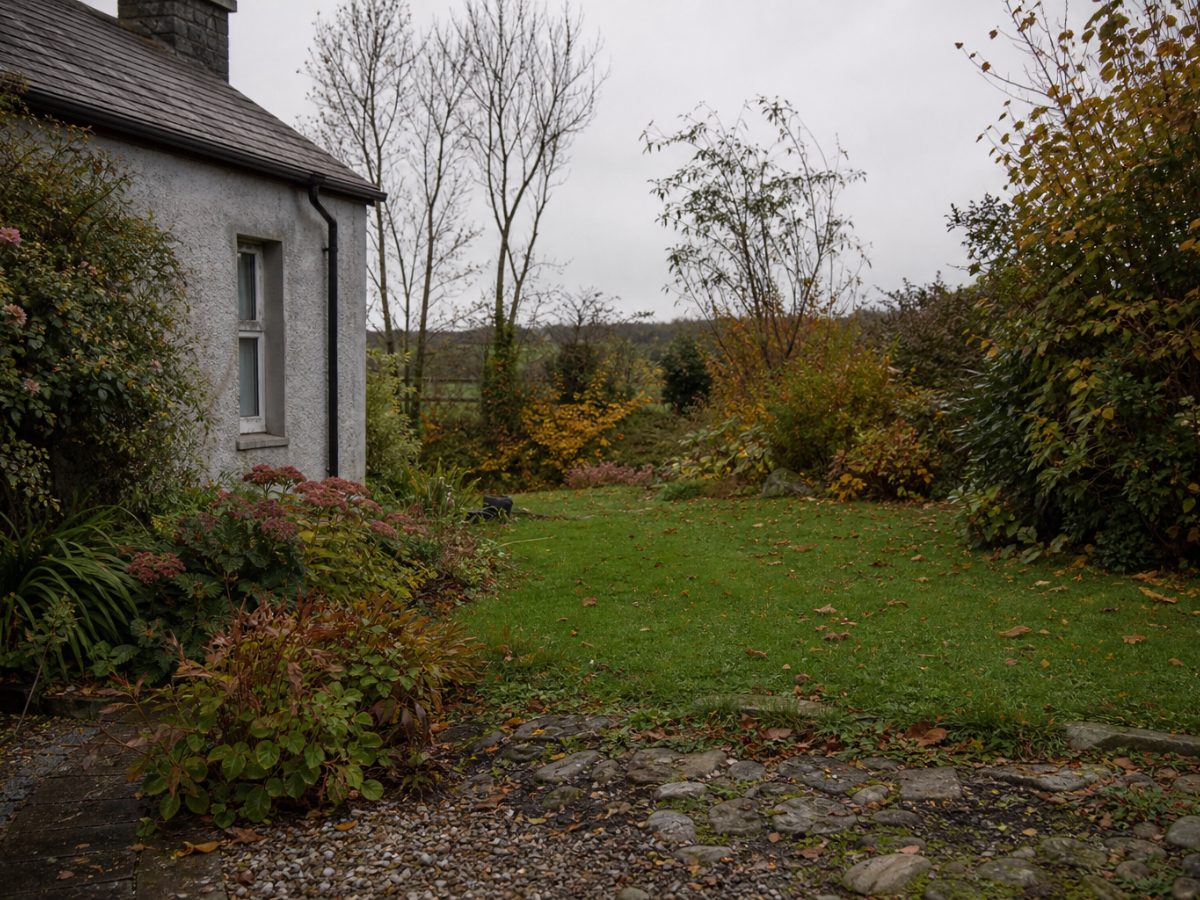
October arrives and most of us are still catching up from summer, half-finished jobs in the garden, a pile of pots that never got moved, and a lawn that looked fine until it suddenly didn't. The Atlantic weather doesn't give much warning. One week you're raking leaves in a dry breeze, the next you've got a week of solid rain from the west and the ground is sitting in puddles. Getting ahead of that, even by a few weeks, makes a real difference.
This isn't about spending money on gadgets or buying every product the garden centre pushes at you in autumn. It's about doing the right things in the right order before the cold and wet set in properly.
Soil and Beds
Stop digging when the soil is wet. It sounds obvious but it's easy to rush and compact clay soils badly when they're saturated, which is a problem that takes seasons to undo. If you can squeeze a handful of soil and water drips out, leave it alone.
Do add compost or well-rotted manure to empty beds now and leave it rough on the surface. Frost and worm activity will break it down over winter without you lifting a finger. A mulch layer of bark or leaf mould over perennial beds keeps soil temperature steadier and protects roots during hard frosts, which do hit most parts of Ireland at least a few times between December and February even in milder coastal counties.
Drainage First
If parts of your garden pool after rain, now is the time to deal with it before the ground freezes or gets too soft to work. Check that any existing drainage channels or French drains are clear of leaves and debris. A blocked gully at the edge of a patio is a simple fix in October and a much bigger headache in January.
Persistent waterlogging near the house is worth taking seriously. Poor drainage around a property can cause problems well beyond the garden, and if you've been putting off looking at hard-standing options, understanding the difference between surfaces like block paving and tarmac in Irish conditions is a good place to start if you're thinking longer term about which driveway material holds up better in Irish weather.
Tender Plants
Dahlias, cannas, begonias and similar tender plants need to come up once the first frost blackens the foliage. Lift the tubers or corms, let them dry for a few days in a frost-free shed, then store them in barely damp compost or old potting mix somewhere they won't freeze. A garage or an insulated shed usually works fine for most of the country.
Anything in pots is more vulnerable than it looks. The pot itself doesn't insulate roots the way ground soil does. Move pots against a south-facing wall or into a cold greenhouse if you have one. Wrapping terracotta pots in bubble wrap or hessian isn't glamorous but it stops them cracking in a hard frost.
The Lawn
Give the lawn a final cut in October if growth is still happening, but keep the blade higher than you would in summer. Scalping a lawn going into winter invites moss and disease. After that, stop walking on it repeatedly in wet weather if you can help it. Compacted, waterlogged grass doesn't recover quickly.
If you were thinking about laying new turf or doing any major lawn work, do it before mid-October or wait until March. Turf laid in the depths of winter in a wet Irish garden tends to just sit there struggling. A September or early October job roots in well before the cold arrives.
A Few Small Jobs Worth Doing
- Clean and oil any wooden garden furniture before storing it
- Empty and store hoses and irrigation lines before they freeze and split
- Clear gutters of leaves, especially if you have overhanging trees, as blocked gutters become a problem fast in November rain
- Turn your compost heap and add the autumn leaf fall in layers with green material to keep it active
None of this takes more than a weekend across October if you break it into manageable chunks. The gardens that come back looking well in spring are usually the ones where someone put in a quiet afternoon in October without making a big deal of it.